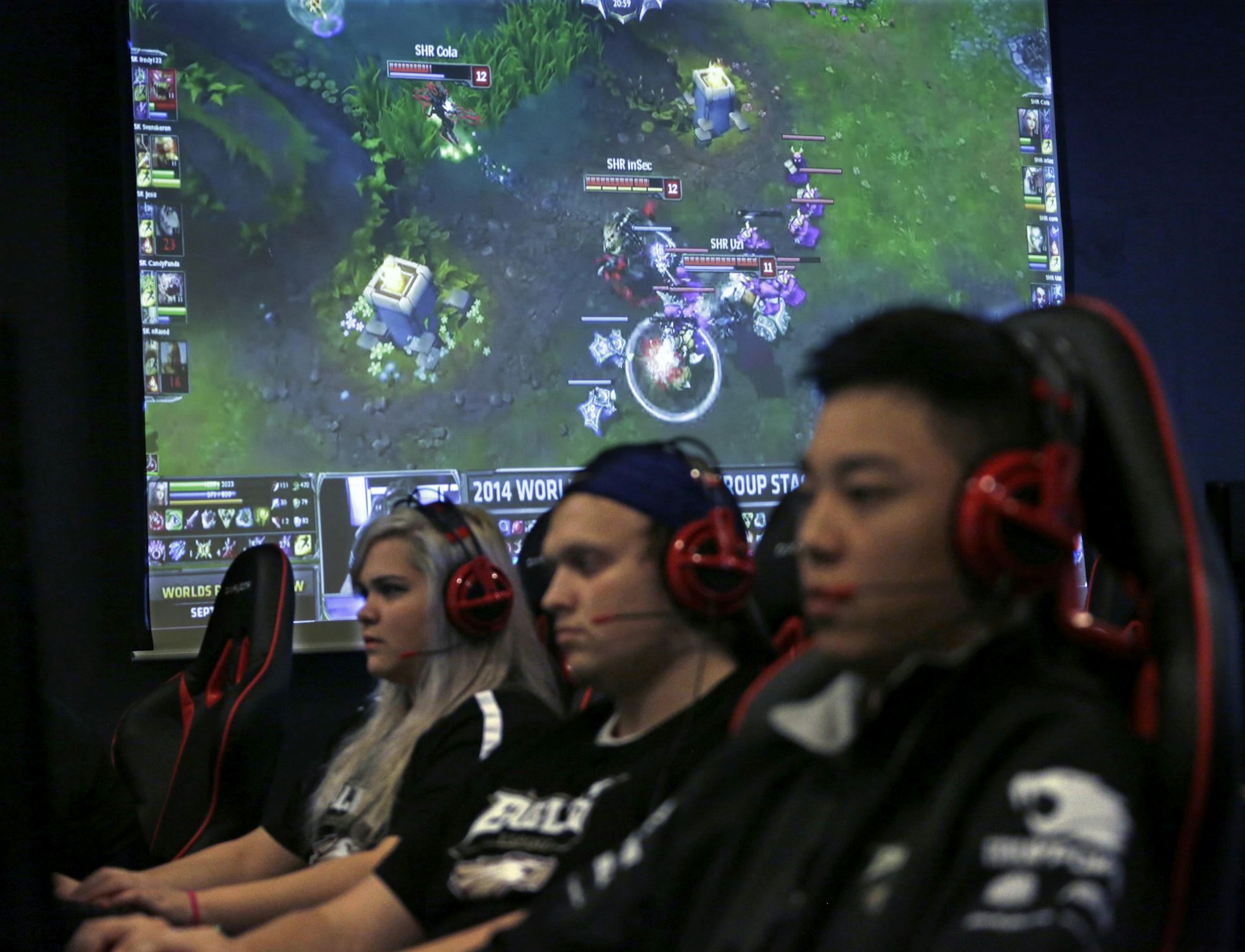

This presentation by Andrew J. Wilson (St. Mary's University), Vasil A. Arangelov (University of Oregon),…
This presentation by Maxwell Foxman (University of Oregon), Amanda Cote (Michigan State University), Andy Wilson (University of Oregon), Vasil Arangelov (University of Oregon), Bri Sonner (University of Oregon), and Jeffery Fricke-Waters (Michigan State University) examines how U.S. collegiate esports programs are built, justified, and sustained across different institutional contexts. Despite the rapid expansion of esports in higher education, these programs remain highly fragmented—varying widely in philosophy, organizational structure, labor models, and infrastructural investment. Drawing on a multimethod study that includes a census of 291 NACE-affiliated institutions and 37 stakeholder interviews, the researchers identify emerging patterns in program placement, staffing, motivations, and campus-wide integration efforts. Their findings reveal that most programs sit within athletic departments but operate with limited staff and significant student-driven autonomy. Administrators often cite community-building and gaming’s cultural relevance as key motives, while also seeking to embed esports within broader institutional strategies. At the same time, disparities in buy-in across university types highlight ongoing tensions in legitimizing esports within traditional academic structures. The study offers a developing typology of collegiate esports programs, providing a framework for understanding their philosophies and long-term sustainability. By clarifying how these programs take shape, the research contributes to future planning, comparative regional analysis, and the strategic growth of esports in higher education.
Related Posts