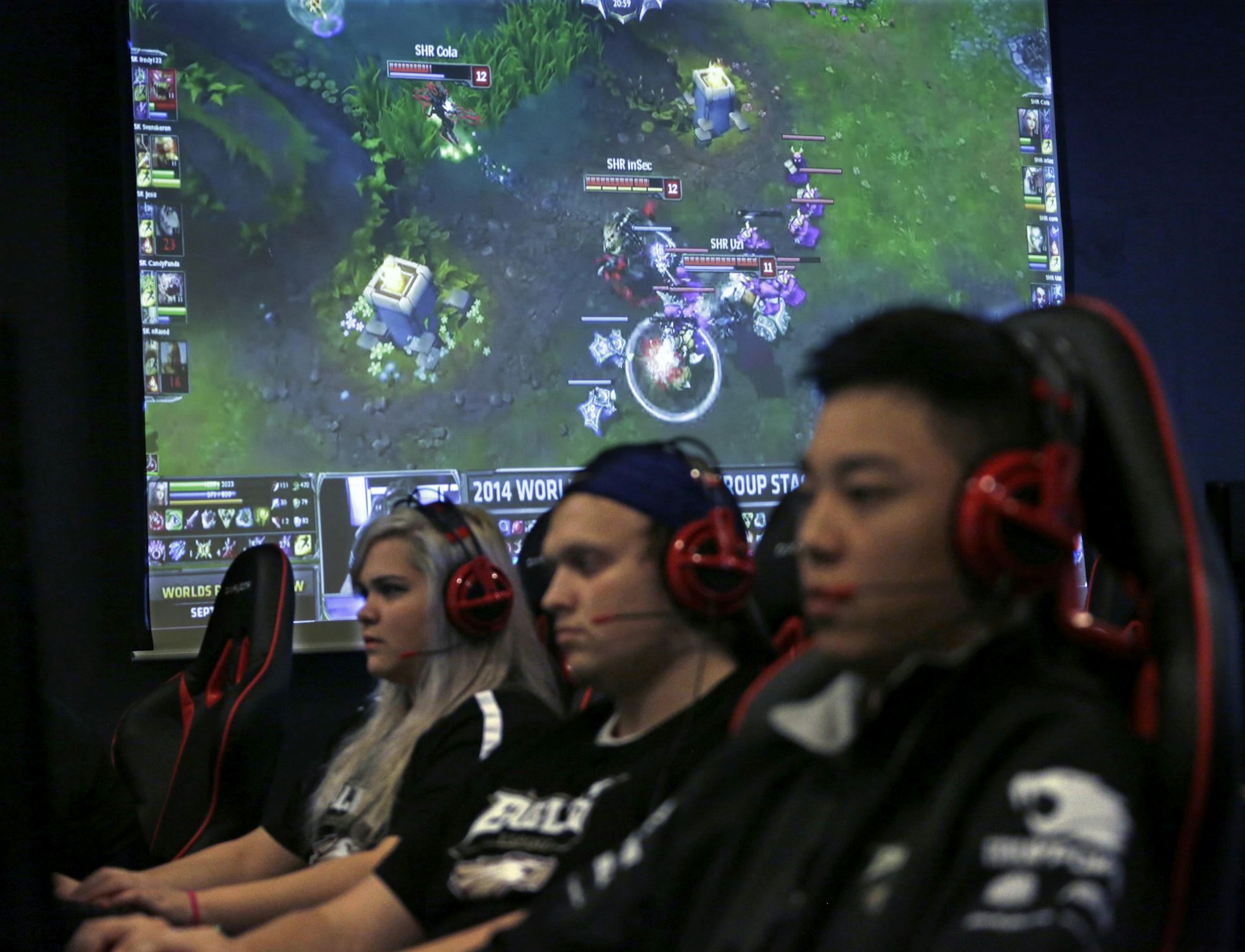

This presentation by Maxwell Foxman (University of Oregon), Amanda Cote (Michigan State University), Andy Wilson…
This presentation by Andrew J. Wilson (St. Mary’s University), Vasil A. Arangelov (University of Oregon), Amanda C. Cote (Michigan State University), Maxwell Foxman (University of Oregon), Shane L. Burrell, Jr. (University of Oregon), and Jeff Clements (University of Oregon) explores how U.S. collegiate esports administrators secure, sustain, and grow sponsorships—and how these partnerships build economic funding and cultural legitimacy on campus. Using Resource Dependency Theory as a framework, the researchers analyze 16 in-depth interviews with administrators across diverse U.S. institutions. Findings show that while sponsorships from endemic tech and gaming hardware providers are highly sought after to support program growth, administrators face consistent challenges aligning sponsors with institutional values and university branding strategies. Partnerships with oversight bodies like the National Association of Collegiate Esports also shape structural decision-making around tournament delivery and resource dependency. Trends indicate administrators view esports sponsorship relationships as essential not only for financial sustainability, but for recruitment, player retention, alumni engagement, fan communities, and long-term program legitimacy—distinctly beyond traditional athletics. The work underscores sponsorships as a key pillar for scaling esports in higher education, while highlighting the need for broader participant diversity in future comparative research.
Related Posts